


Fluorosis is a condition caused by excessive intake of fluoride, leading to changes in tooth enamel and, in severe cases, alterations in bone structure. While it is commonly associated with children, who are more susceptible to dental fluorosis due to the developing nature of their teeth, adults can also be affected by both dental and skeletal fluorosis. Understanding fluorosis in adults is crucial, as it helps in identifying the sources of excessive fluoride exposure, recognizing the symptoms early, and taking preventive measures to avoid long-term health complications. This blog post will delve into the causes, symptoms, prevention strategies, and treatment options for fluorosis in adults, providing comprehensive insights into managing and mitigating this condition.
What is Fluorosis?
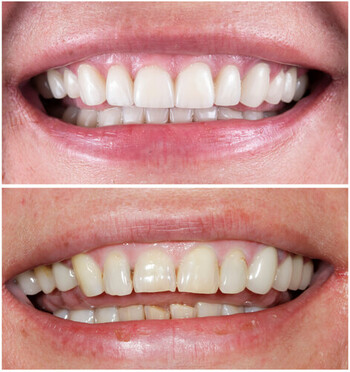
Fluorosis is a condition resulting from the ingestion of high amounts of fluoride over a long period. Fluoride, a naturally occurring mineral, is found in water, soil, and various foods. It is also added to dental care products and drinking water for its benefits in preventing tooth decay. However, excessive fluoride intake can lead to adverse effects on dental and skeletal health, causing structural changes that manifest as fluorosis.
Difference Between Dental and Skeletal Fluorosis
There are two primary forms of fluorosis: dental fluorosis and skeletal fluorosis.
Dental Fluorosis
- Yes, too much fluoride can cause something called dental fluorosis. ThisOccurs when excessive fluoride is consumed during the years of tooth development (up to about age 8).
- Manifests as changes in the appearance of tooth enamel, ranging from mild discoloration to severe staining and surface irregularities.
- Mild cases show white streaks or spots on the teeth, while severe cases can lead to brown stains and pitting of the enamel.
Skeletal Fluorosis
- Results from long-term, high fluoride intake affecting bone structure.
- Initially causes pain and stiffness in joints, similar to arthritis.
- Advanced stages lead to changes in bone density and structure, including thickening of bones and calcification of ligaments, which can impair movement and cause severe pain.
How Fluorosis Affects Adults Specifically
In adults, fluorosis primarily presents as skeletal fluorosis, although dental fluorosis can also persist or become noticeable if it developed during childhood. Adults can develop skeletal fluorosis through prolonged exposure to high levels of fluoride in drinking water, certain foods, or occupational settings.
Skeletal Fluorosis in Adults:
- Early stages include joint pain, stiffness, and reduced flexibility.
- Progression can lead to severe skeletal deformities, limited joint movement, and an increased risk of fractures.
- Chronic exposure can result in significant disability and decreased quality of life.
Dental Fluorosis in Adults:
- While typically developed in childhood, its cosmetic effects can persist into adulthood.
- Severe cases can affect self-esteem and require cosmetic dental procedures for correction.
Understanding the differences between dental and skeletal fluorosis and recognizing how these conditions affect adults is essential for effective prevention and management, ensuring better overall health and well-being.
Causes of Fluorosis in Adults
Understanding the sources and factors contributing to fluoride exposure is crucial for preventing fluorosis. Here’s a detailed look at how adults may be exposed to excessive fluoride:
Sources of Fluoride Exposure
- Drinking Water: How much fluoride is in your water? The most significant source of fluoride exposure is drinking water, especially in areas where natural fluoride levels are high or where water fluoridation is practiced. Bottled water, tap water, and well water have different amounts of fluoride. Most tap water has fluoride at US Public Health Service recommended levels that best protect teeth from cavities while minimizing dental fluorosis. The optimal fluoride concentration for preventing tooth decay is typically around 0.7 parts per million (ppm), but levels above 1.5 ppm can pose a risk for fluorosis.
- Dental Products: Many dental care products, such as toothpaste and mouth rinses, contain fluoride to help prevent cavities. While these products are beneficial, overuse, especially in children, can lead to dental fluorosis. Adults who use fluoride-containing products excessively or who have a habit of swallowing toothpaste may also be at risk.
- Certain Foods: Fluoride can be present in foods and beverages, particularly those grown or processed in high-fluoride areas. Tea, seafood, and some fruit juices can contain significant amounts of fluoride. The concentration of fluoride in these foods varies, but in some regions, it can contribute to excessive fluoride intake.
Overconsumption of Fluoride and Its Impact

- High Fluoride Intake: Consuming too much fluoride exceeding safe levels can overwhelm the body’s ability to excrete it. Over time, this excessive intake can lead to the accumulation of fluoride in bones and teeth, resulting in dental and skeletal fluorosis. Factors such as the use of fluoride supplements, excessive consumption of fluoride-rich water, or misuse of fluoride treatments contribute to this overconsumption.
- Dietary and Lifestyle Factors: Dental fluorosis occurs to adults who consume large amounts of processed foods or beverages high in fluoride are at a greater risk. Additionally, individuals who use fluoride supplements without medical supervision may inadvertently increase their fluoride intake beyond safe levels.
Occupational Exposure and Environmental Factors
- Industrial Exposure: Certain occupations involve exposure to fluoride dust or fumes, such as in aluminum production, fertilizer manufacturing, or glass etching. Workers in these industries are at higher risk of developing skeletal fluorosis due to prolonged inhalation or skin contact with fluoride compounds.
- Environmental Contamination: In some regions, natural sources of fluoride, such as fluoride-rich rocks and minerals, can lead to high fluoride concentrations in groundwater. Additionally, industrial waste or improper disposal of fluoride-containing substances can contaminate local water supplies, increasing the risk of fluorosis in nearby communities.
- Geographical Factors: Areas with naturally high fluoride levels in water sources pose a significant risk. People living in these regions may have chronic exposure to elevated fluoride levels, leading to an increased incidence of fluorosis.
By understanding these sources and risks, adults can take informed steps to minimize fluoride exposure and protect their health from the adverse effects of fluorosis.
Symptoms of Fluorosis in Adults
Dental Fluorosis Symptoms
- Mild Cases
- White streaks or spots on the enamel surface of teeth
- Slight discoloration that may not be immediately noticeable
- Moderate Cases
- Brown or yellow stains on the teeth
- Surface irregularities, such as pits or grooves
- Severe Cases
- Severe fluorosis causes significant discoloration with dark brown stains
- Enamel damage, including pitting and erosion on the tooth surface
- Increased susceptibility to cavities due to weakened enamel can be seen in severe forms
Long-Term Health Effects and Complications
- Aesthetic Concerns
- The appearance of discoloration on the permanent teeth can affect self-esteem and confidence, leading to psychological impacts.
- Dental Health Issues
- Weakened enamel may result in increased cavity formation and dental decay.
- Potential need for extensive cosmetic dental treatments to restore the appearance and function of teeth.
Skeletal Fluorosis Symptoms
- Early Stages
- Joint pain and stiffness, often mistaken for arthritis
- Reduced flexibility and movement in joints
- Occasional muscle weakness and fatigue
- Advanced Stages
- Severe pain and rigidity in bones and joints
- Increased bone density and abnormal bone growth
- Calcification of ligaments and tendons, leading to reduced mobility
- Deformities in bones, particularly in the spine and limbs
Long-Term Health Effects and Complications
- Bone Deformities: Advanced skeletal fluorosis can cause significant bone deformities, leading to impaired movement and posture issues.
- Increased Fracture Risk: The abnormal hardening and brittleness of bones can lead to a higher likelihood of fractures.
- Neurological Issues: In severe cases, calcification of ligaments and tendons around joints can compress nerves, leading to neurological symptoms such as pain, tingling, and numbness.
- Chronic Pain and Disability: Persistent pain and reduced mobility can lead to long-term disability, significantly impacting the quality of life.
- Psychological Effects: Chronic pain and mobility issues can lead to depression, anxiety, and a reduced ability to perform daily activities.
Understanding the symptoms and potential long-term effects of fluorosis in adults is essential for early detection and management. Seeking medical advice and taking preventive measures can help mitigate the impact of this condition on overall health and well-being.
Detecting and Diagnosing Fluorosis
Dental Fluorosis
Detection: Dentists can often detect dental or enamel fluorosis through a routine visual examination of the teeth. The presence of white spots, streaks, discoloration, or pitting on the enamel can indicate fluorosis.
Diagnosis
- Clinical Assessment: Dentists evaluate the extent and severity of enamel changes to determine the degree of fluorosis. The Thylstrup-Fejerskov Index (TF Index) is a common method used to grade the severity of dental fluorosis on a scale from 0 (normal) to 9 (severe).
- Patient History: Gathering information about the patient’s fluoride exposure history, including water sources, use of fluoride-containing dental products, dietary habits, and any fluoride supplements taken, helps in diagnosing dental fluorosis.
Skeletal Fluorosis
Detection: The early symptoms of skeletal fluorosis, such as joint pain and stiffness, may prompt further investigation, especially in individuals with known fluoride exposure.
Diagnosis:
- Medical History: A thorough review of the patient’s medical history, occupational background, and geographic location can provide clues about potential fluoride exposure.
- Physical Examination: Doctors may perform a physical examination to check for signs of joint stiffness, reduced mobility, and bone tenderness.
- Imaging Studies:
- X-rays: X-rays can reveal characteristic changes in bone structure, such as increased bone density, thickening of bone cortices, and calcification of ligaments.
- Bone Scans: Bone scans using radioactive tracers can detect abnormal bone metabolism and confirm the diagnosis of skeletal fluorosis.
- Laboratory Tests:
- Urinary Fluoride Levels: Measuring fluoride levels in urine can help assess the extent of fluoride exposure. Elevated urinary fluoride levels suggest recent high fluoride intake.
- Serum Fluoride Levels: Blood tests to measure fluoride concentration can provide additional information on fluoride exposure and help in diagnosing fluorosis.
- Biopsy: In rare cases, a bone biopsy may be performed to examine bone tissue under a microscope. This can confirm the presence of fluoride deposits and the characteristic changes associated with skeletal fluorosis.
Importance of Early Detection
- Prevention of Progression: Early detection of fluorosis allows for timely intervention to reduce further fluoride exposure and prevent the progression of the condition.
- Improved Management: Diagnosing fluorosis early helps in managing symptoms more effectively and reducing the risk of long-term complications.
- Awareness and Education: Early diagnosis also provides an opportunity for educating patients about safe fluoride levels and preventive measures, contributing to better overall health outcomes.
By utilizing a combination of clinical assessments, patient history, imaging studies, and laboratory tests, healthcare professionals can effectively detect and diagnose both dental and skeletal fluorosis, enabling appropriate treatment and management strategies.
Treatment, Management, and Prevention of Fluorosis
Treatment options
Dental Fluorosis
- Cosmetic Procedures: Mild cases may be treated with teeth whitening or microabrasion to improve the appearance of enamel. Moderate to severe cases might require composite bonding, veneers, or crowns to cover discoloration and restore tooth appearance.
- Professional Dental Care: Regular dental check-ups and cleanings to monitor and manage dental health.
Skeletal Fluorosis
- Medical Treatment: You can addresspain management through nonsteroidal anti-inflammatory drugs (NSAIDs) or other pain relief medications. Physical therapy can also maintain joint mobility and reduce stiffness.
- Dietary Adjustments: Increasing calcium intake helps mitigate the effects of fluoride on bones. Ensure adequate nutrition to support overall bone health.
- Surgical Intervention: In severe cases, surgical procedures may be necessary to correct bone deformities or relieve nerve compression.
Management
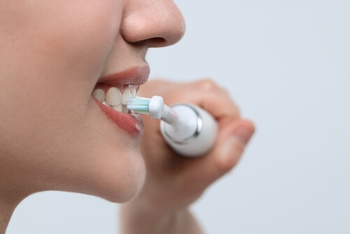
- Reducing Fluoride Exposure: Switching to low-fluoride or fluoride-free drinking water sources and using fluoride-free or low-fluoride dental products are a must.
- Regular Monitoring: Periodic dental and medical check-ups are needed to monitor the progression of fluorosis and adjust treatment plans as needed.
- Supportive Care: This includesoccupational therapy and lifestyle modifications to manage symptoms and maintain quality of life. It also includes education on safe fluoride levels and risk factors for excessive exposure.
Prevention
- Safe Fluoride Levels: To prevent excessive fluoride intake, ensure that community water fluoridation levels are within the recommended range (around 0.7 ppm).
- Awareness and Education: Educate the public about the sources of fluoride and the importance of using fluoride-containing products (fluoride toothpaste or fluoride mouth rinses) as directed. Provide information on the risks of excessive fluoride exposure and ways to minimize it.
- Regular Screening: Encouraging routine dental visits for children and adults to detect early signs of dental caries or fluorosis.
- Occupational Safety: Implementing safety measures in industries with high fluoride exposure to protect workers from inhaling or ingesting fluoride.
By combining appropriate treatment, effective management strategies, and preventive measures, the impact of fluorosis can be minimized, ensuring better health outcomes for affected individuals.
References:
https://www.webmd.com/children/fluorosis-symptoms-causes-treatments
https://www.epa.gov/sites/default/files/2019-03/documents/fluoride-related-skeletal-effects.pdf
https://www.sciencedirect.com/topics/veterinary-science-and-veterinary-medicine/skeletal-fluorosis
https://www.who.int/teams/environment-climate-change-and-health/chemical-safety-and-health/health-impacts/chemicals/inadequate-or-excess-fluoride
https://www.medicalnewstoday.com/articles/154164
https://www.healthline.com/health/what-is-fluoride
https://www.nature.com/articles/s41598-017-17328-8


