


Fluorosis and decalcification are two commonly used terms in dental health that describe two distinct dental conditions that can impact the appearance and health of teeth. Fluorosis refers to the excessive intake of fluoride, leading to overexposure that can result in unsightly discoloration or even physical damage to the enamel of the teeth. Decalcification, conversely, is the loss of calcium from the teeth caused by bacteria, which can lead to white spots or even cavities. Although fluorosis and decalcification have similar effects on teeth health and appearance, they stem from distinct causes and necessitate different treatments. Familiarizing oneself with these differences can be helpful.
What is enamel?
The enamel is a tough outer layer that protects the visible part of the tooth known as the crown. It is made up of minerals like calcium and phosphate and is the toughest material in the human body. While it plays a critical role in shielding teeth from harm and decay, it can still be fragile at times.
Enamel hypoplasia can cause weaker enamel that is more likely to decay because the enamel doesn’t form properly during tooth development. Additionally, too much fluoride exposure during childhood can damage the enamel, which can cause tooth discoloration like white or brown spots on the enamel or white spots on teeth.
Excessive exposure to fluoride can disrupt the formation of enamel, resulting in enamel hypoplasia. It can also cause discoloration and even physical damage to the enamel. The resulting tooth discoloration may range from mild white spots on the teeth to more severe brown spots or even pitting and mottling of the enamel. Although tooth discoloration doesn’t usually cause any functional problems, it may make some people feel self-conscious about the appearance of their teeth.
An Overview of Fluorosis and Decalcification

Fluorosis and decalcification are two distinct dental conditions that can result in teeth discoloration to your child’s teeth. Fluorosis is caused by an excessive fluoride intake, resulting in white or brown discoloration, mottling, or even physical damage to the tooth enamel. This occurs most commonly during the developmental stages of teeth, and it can lead to permanent stains or discoloration.
Decalcification, on the other hand, is caused by a loss of calcium from the teeth due to bacterial activity. It can appear as white spots or patches on the teeth and is usually an early sign of tooth decay. Unlike fluorosis, decalcification can often be reversed through proper dental care, such as regular brushing, flossing, and a balanced diet. Understanding the differences between these two conditions can help individuals make informed decisions about their dental health and treatment options, recognize the signs, and take steps to maintain good oral health.
Causes of Fluorosis and Decalcification
Though these two conditions have similar effects on teeth discoloration, it is important to note that they have different causes.
Causes of fluorosis:
- Overconsumption of fluoride through drinking water, supplements, toothpaste, or mouthwash
- Exposure to fluoride during early childhood when teeth are developing
- Certain medical conditions or medications that cause retention of fluoride in the body
Causes of decalcification:
- Poor dental hygiene, such as infrequent brushing or flossing
- A diet high in sugar or acid, which can erode tooth enamel
- Medical conditions or medications that affect saliva production or composition, leading to increased bacterial growth
- Orthodontic treatments, such as braces that make it difficult to clean teeth thoroughly
It’s worth noting that while these are common causes, there may be other factors at play in individual cases, so it’s important to consult with a dentist for a personalized diagnosis and treatment plan.
Effects of Fluorosis and Decalcification
As stated, the symptoms of both dental problems are very similar. However, it is still important to distinguish between them to accurately identify which condition you may have.
Effects of fluorosis:
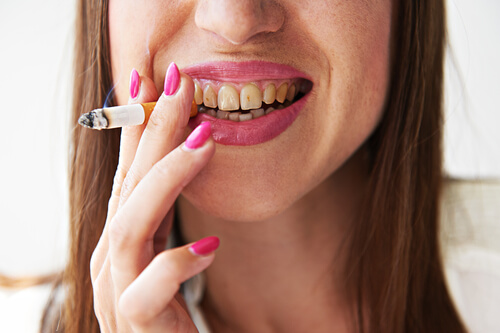
- There may be permanent white or brown stains on your teeth.
- Tooth enamel can appear rough or uneven due to pitting or mottling.
- Increased sensitivity to hot or cold temperatures
- Chipping or cracking can occur due to brittle or weakened tooth enamel.
Effects of decalcification:
- If you notice white spots or patches on your teeth, it could indicate the beginning stages of tooth decay.
- More prone to feeling hot or cold temperatures than usual.
- When tooth enamel is rough or uneven, it can cause teeth to look discolored or dull.
- Weakened tooth enamel, which can lead to cavities or other forms of tooth damage
It’s important to note that these effects can vary depending on the severity of the condition and other factors such as age and overall dental health. If you are experiencing any of these symptoms, it’s best to consult with a dentist for proper diagnosis and treatment.
Prevention Strategies for Fluorosis and Decalcification
Prevention of fluorosis:
- Limiting excessive fluoride exposure in drinking water, supplements, toothpaste, or mouthwash
- Monitoring the use of fluoride products in children, especially during the developmental stages of teeth
- Using fluoride-free bottled water or a water filtration system if necessary
- Avoiding excessive fluoride treatments or supplements without consulting with a dentist
Prevention of decalcification:
- Practicing good dental hygiene, such as brushing twice a day with fluoride toothpaste and flossing daily
- Eating a balanced diet that is low in sugar and acid
- Using a fluoride mouthwash or undergoing fluoride treatments as recommended by a dentist
- Avoiding sugary or acidic drinks, such as soda and fruit juice, or drinking them through a straw to minimize contact with teeth
- Regular dental check-ups to catch and treat any signs of decay or other dental problems early on
These prevention strategies can help individuals maintain good dental health and minimize the risk of developing fluorosis or decalcification. As always, it’s important to consult with a dentist for personalized recommendations based on your individual dental health needs.
Treatment Options for Fluorosis and Decalcification
Here are some of the things you can do to solve your teeth discoloration brought about by either fluorosis or decalcification.
Treatment options for fluorosis:
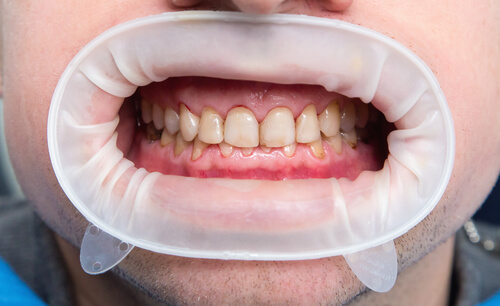
- Microabrasion, which involves removing a thin layer of enamel to reduce the appearance of stains
- Teeth whitening, which can help lighten the color of the teeth
- Dental bonding, which involves applying a tooth-colored resin to the surface of the teeth to cover up stains or discoloration
- Porcelain veneers, which are thin shells that are placed over the front of the teeth to improve the appearance of your discolored enamel
Treatment options for decalcification:
- Fluoride treatment, which can help remineralize weakened tooth enamel and prevent further decay
- Dental bonding or veneers, which can be used to cover up white spots or discoloration
- Dental sealants, which involve applying a protective coating to the teeth to prevent decay
- Proper oral hygiene practices, such as brushing twice a day with fluoride toothpaste and flossing daily, prevent excess bacteria buildup, causing further decay or damage.
In summary, fluorosis and decalcification are two distinct dental conditions that can impact the health and appearance of teeth. An excessive intake of fluoride causes fluorosis. In contrast, decalcification is caused by a loss of calcium from the teeth and can appear as white spots or patches on the enamel, which are often early signs of tooth decay. While both conditions can be treated or managed through proper dental care and hygiene, prevention is key. Individuals can take steps to limit their fluoride exposure and maintain good dental hygiene to reduce their risk of developing fluorosis or decalcification. For any dental concerns, it is important to consult with a dentist for proper diagnosis and treatment recommendations.
References:
https://www.sciencedirect.com/topics/nursing-and-health-professions/fluorosis
https://www.ncbi.nlm.nih.gov/pmc/articles/PMC4782718/
https://www.webmd.com/children/fluorosis-symptoms-causes-treatments
https://en.wikipedia.org/wiki/Dental_fluorosis
https://www.nature.com/articles/s41407-019-0212-5


