


A healthy smile reflects overall well-being, and maintaining strong, intact teeth is crucial for aesthetics and functionality. However, teeth enamel cracks are one common dental issue that can compromise oral health. These minor or severe fractures can lead to discomfort, sensitivity, and more serious dental problems if not addressed promptly. This comprehensive guide delves into the intricacies of cracked teeth, exploring their causes, symptoms, diagnosis, treatment options, and preventive measures to help you maintain a robust and radiant smile.
What Are Cracks in Teeth Enamel?
Cracks in teeth enamel refer to fissures or fractures that occur in the outermost layer of the tooth, known as the enamel. The enamel is the hardest substance in the human body, designed to protect the underlying dentin and pulp from daily wear and tear, temperature changes, and other potential damages. Despite its strength, enamel can develop tooth cracks due to various factors, leading to tooth fractures that may require dental intervention.
Types of Tooth Cracks
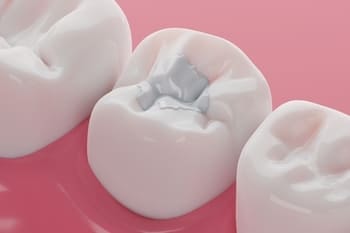
Understanding the different types of cracked teeth is essential for accurate diagnosis and effective treatment. Here are the primary categories:
- Craze Lines: These are superficial cracks that appear as fine lines on the tooth surface. They are common and typically harmless, often resulting from normal tooth development or aging. Craze is generally considered a cosmetic concern and rarely causes pain.
- Fractured Cusp: This type involves a break or chip in a raised point on the tooth’s chewing surface. It can occur due to biting on hard objects or traumatic injury.
- Cracked Tooth Syndrome: This condition involves a more significant crack that may not be visible but can cause pain and sensitivity. It often affects the mandibular molars and can lead to tooth pain during chewing or exposure to temperature changes.
- Vertical Root Fracture: A more severe form of vertical fracture, these cracks extend from the chewing surface down the tooth’s root. They are challenging to detect and often require a root canal or extraction.
- Split Tooth: This occurs when a crack extends from the chewing surface through the tooth, splitting it into two separate segments. A split root can compromise the tooth’s structural integrity, often necessitating extraction or a dental implant.
Causes of Cracked Teeth Enamel
Several factors contribute to the development of cracks in teeth enamel, ranging from daily habits to underlying health conditions. Understanding these causes can help in prevention and early detection.
1. Teeth Grinding (Bruxism)
Teeth grinding is a common cause of enamel cracks. This habit, often occurring unconsciously during sleep, exerts excessive force on the teeth, leading to tooth fractures over time. Continuous grinding can wear down the outer enamel, making teeth more susceptible to cracks.
2. Trauma or Injury
Accidental impacts, such as sports injuries or falls, can cause immediate fractures in the tooth enamel. Even a minor knock can result in cracked enamel, especially if the tooth is already weakened by decay or other dental issues.
3. Biting on Hard Objects
Chewing on hard substances like ice, nuts, or fruit stones can put undue stress on the teeth, leading to tooth cracks. Similarly, biting on non-food items like pens or fingernails can cause accidental enamel fractures.
4. Age-Related Wear
The enamel naturally wears down as we age, making teeth more vulnerable to minor cracks and craze lines. The thin enamel layer becomes less resilient, increasing the risk of vertical root fractures and other severe cracks.
5. Large Fillings
Teeth with large or multiple fillings are at higher risk of cracking. The extensive removal of enamel to accommodate fillings weakens the tooth structure, making it more prone to fractures.
6. Poor Dental Health
Neglecting oral hygiene can lead to tooth decay and weakening of the enamel. Decayed teeth are more likely to develop cracked enamel and other structural issues.
Symptoms of Cracked Teeth Enamel

Recognizing the signs of cracks in teeth enamel early can prevent more severe dental problems. Common symptoms include:
- Tooth Pain: Sharp pain when biting or chewing, often localized to the cracked area.
- Sensitivity: Increased sensitivity to hot, cold, or sweet foods and beverages.
- Visible Cracks: Noticeable lines or fractures on the tooth surface, though some cracks may be invisible.
- Discomfort: General discomfort in the affected tooth, especially during biting or grinding.
- Swelling: In cases where the crack affects the pulp, swelling around the tooth or gums may occur.
It’s important to consult a dentist if you experience any of these symptoms to receive an accurate diagnosis and appropriate treatment.
Diagnosing Cracked Teeth Enamel
Accurate diagnosis of cracks in teeth enamel involves a combination of clinical examination and diagnostic tools. Dentists use various methods to identify the presence and extent of tooth fractures.
Clinical Examination
During a routine dental visit, the dentist will:
- Inspect the Teeth: Visually examine the teeth for visible cracks or chips.
- Check for Sensitivity: Assess the tooth’s response to temperature changes and pressure.
- Palpate the Tooth: Press on the tooth to check for tenderness or pain.
Diagnostic Tools
- Dental X-rays: While cracks in teeth enamel are often not visible on standard X-rays, they can help identify vertical root fractures and assess the tooth’s overall structure.
- Transillumination: A bright light is shone through the tooth to highlight any cracks that may not be visible to the naked eye.
- Bite Test: The dentist may have you bite down on a special instrument to see if it elicits pain, indicating a crack.
Advanced Imaging
In complex cases, dentists may use advanced imaging techniques like cone-beam computed tomography (CBCT) to get a detailed view of the tooth’s internal structure and the extent of the fracture.
Treatment Options for Cracked Teeth Enamel
The treatment for cracks in tooth enamel depends on the severity and location of the crack, as well as the tooth’s overall health. Here are the most common dental treatment options:
1. Dental Bonding
Dental bonding can be an effective solution for minor craze lines and superficial cracks. This procedure involves applying a tooth-colored resin to the cracked area, which is then hardened with a special light. Bonding can restore the tooth’s appearance and prevent further cracking.
2. Dental Veneers
Dental veneers are thin shells made of porcelain or composite resin covering the tooth’s front surface. They are ideal for addressing visible cracks and cosmetic concerns, providing a natural-looking finish while reinforcing the tooth’s structure.
3. Dental Crowns
A dental crown may be necessary when a crack extends deeper into the tooth. Crowns encase the entire tooth, offering protection and restoring its strength. They are particularly useful for fractured cusps and split teeth, ensuring the tooth remains functional and intact.
4. Root Canal Therapy
Root canal therapy may be required if a cracked tooth has progressed to affect the dental pulp. This procedure involves removing the infected pulp, cleaning the root canals, and sealing the tooth to prevent further infection. A crown is usually placed afterwards to restore the tooth’s structure.
5. Tooth Extraction and Dental Implants
Extracting the affected tooth might be the only viable option in severe vertical root fractures or split roots. Following extraction, a dental implant can replace the missing tooth, preserving the surrounding bone and maintaining the alignment of your oral cavity.
6. Splinting
Splinting can stabilise the tooth for vertical root fractures, especially in multi-rooted teeth. This involves bonding the cracked tooth to adjacent teeth using a splint, providing support and preventing further movement until healing occurs.
Preventing Cracks in Teeth Enamel
Preventing cracks in teeth enamel involves adopting good oral hygiene practices and avoiding habits that can weaken tooth structure. Here are some strategies to minimize the risk of tooth fractures:
1. Practice Good Oral Hygiene
Maintaining oral health through regular brushing and flossing helps keep the enamel strong and free from decay. Use fluoride toothpaste to strengthen the enamel and reduce the risk of tooth cracks.
2. Use a Mouthguard
If you grind your teeth, especially during sleep, wearing a mouthguard can protect your teeth from excessive force and prevent tooth fractures.
3. Avoid Hard Foods
Limit the consumption of hard foods like ice, nuts, and hard candies that can stress the teeth. Be cautious when biting into tough foods, and avoid using your teeth to open packages or bottles.
4. Regular Dental Checkups
Frequent visits to the dentist allow for early detection and treatment of potential cracked teeth. Routine exams can identify minor enamel cracks before they develop into more significant issues.
5. Address Dental Issues Promptly
If you experience tooth pain or sensitivity, seek dental care immediately. Early intervention can prevent minor cracks from worsening, leading to more severe problems like vertical root fractures.
6. Maintain a Balanced Diet
A diet rich in vitamins and minerals supports overall dental health. Ensure adequate calcium and vitamin D intake to strengthen your teeth and bones, reducing the risk of fractures.
The Role of Lifestyle in Tooth Health
Your lifestyle choices can significantly impact your teeth’ health and the enamel’s integrity.
1. Avoid Tobacco and Excessive Alcohol
Tobacco use and excessive alcohol consumption can weaken the enamel and increase the risk of dental problems, including cracked enamel and tooth fractures.
2. Manage Stress
Stress can lead to habits like teeth grinding, which puts undue pressure on the teeth. Managing stress through relaxation techniques, exercise, or counselling can help reduce these harmful habits.
3. Stay Hydrated
Drinking plenty of water helps maintain saliva production, essential for neutralizing acids in the mouth and protecting the enamel from decay and cracks.
The Impact of Cracked Teeth on Overall Health
Ignoring cracked teeth enamel can lead to dental and overall health issues.
1. Tooth Decay and Infection
Cracks provide an entry point for bacteria, increasing the risk of tooth decay and infection. If the crack reaches the dental pulp, it can lead to root canal issues and severe tooth pain.
2. Gum Disease
Cracks can create spaces where bacteria thrive, contributing to gum inflammation and bone loss around the gum line. This can escalate to periodontal disease, affecting overall oral health.
3. Chewing Difficulties
Fractured or cracked teeth can make chewing uncomfortable or painful, impacting your ability to eat properly and maintain a balanced diet.
4. Aesthetic Concerns
Visible cracks can affect your smile, leading to self-consciousness and reduced confidence. Cosmetic concerns related to cracked teeth can influence social interactions and mental well-being.
5. Tooth Loss
Severe cracks, such as vertical root fractures or split roots, can result in tooth loss. Missing teeth can affect speech, chewing efficiency, and the alignment of surrounding teeth, potentially leading to further dental issues.
Cracked Enamel vs. Cracked Tooth: Understanding the Difference
It’s important to differentiate between cracked enamel and more severe forms of tooth fractures.
Cracked Enamel
Cracked enamel refers to minor fissures or craze lines on the outer layer of the tooth. These are often superficial and do not extend beyond the enamel. While generally painless, they can be a cosmetic issue and may lead to sensitivity.
Cracked Tooth
A cracked tooth indicates a deeper fracture that affects the dentin or pulp. These cracks can cause significant pain, sensitivity, and a higher risk of infection. Cracked tooth syndrome is when a crack causes pain without visible signs, requiring prompt dental attention.
Vertical Root Fractures: A Closer Look
Vertical root fractures are a specific type of vertical fractures that occur along the tooth’s root. They are particularly challenging to diagnose and treat.
Causes
- Trauma: Accidental impacts can lead to vertical root fractures.
- Overuse of Dental Work: Extensive dental crowns or large fillings can weaken the tooth structure.
- Aging: Natural wear makes Older teeth more susceptible to these fractures.
Symptoms
- Persistent tooth pain
- Swelling around the affected tooth
- Bone loss around the gum line
- Sensitivity to pressure and temperature
Treatment
Treatment options for vertical root fractures are limited and often involve extraction of the affected tooth. Sometimes, a root canal followed by a dental crown may help preserve the tooth, but success rates vary.
Cracked Tooth Syndrome: Diagnosis and Management
Cracked tooth syndrome is when a tooth has a crack that is not easily visible but causes pain and discomfort.
Symptoms
- Sharp pain when chewing or biting
- Sensitivity to temperature changes
- Discomfort that comes and goes
Diagnosis
Diagnosing cracked tooth syndrome can be tricky due to the lack of visible signs. Dentists may use:
- Transillumination to detect hidden cracks
- Bite tests to identify pain triggers
- Advanced imaging for detailed views
Treatment
Treatment depends on the crack’s severity:
- Bonding or Veneers: For minor cracks
- Crowns: To protect and reinforce the tooth
- Root Canal Therapy: If the pulp is affected
- Extraction and Implants: For severe cracks
The Connection Between Teeth Grinding and Cracked Enamel
Teeth grinding, or bruxism, plays a significant role in the development of cracked enamel and tooth fractures. The repetitive grinding motion exerts excessive force on the teeth, leading to wear and tear.
Consequences of Teeth Grinding
- Enamel Erosion: Continuous grinding wears down the tooth’s enamel, making it more susceptible to cracks.
- Fractured Cusps: The stress can cause the fragments of fractured cusps on the chewing surface to break off.
- Tooth Sensitivity: Loss of enamel leads to increased sensitivity to hot, cold, or sweet stimuli.
Managing Teeth Grinding
- Mouthguards: Custom-fitted devices can protect the teeth from grinding forces.
- Stress Management: Techniques like meditation, exercise, and therapy can reduce grinding habits.
- Dental Treatments: Adjusting bite alignment with orthodontics can alleviate excessive pressure on certain teeth.
Maintaining a Healthy Enamel: Tips and Best Practices
Keeping your tooth enamel strong is essential for preventing cracks and maintaining overall dental health. Here are some best practices:
1. Use Fluoride Toothpaste
Fluoride helps remineralize and strengthen enamel, making it more resistant to decay and cracks.
2. Limit Acidic Foods and Beverages
Frequent consumption of acidic substances can erode enamel. Reduce citrus fruits, soda, and wine intake, and rinse your mouth with water after consuming them.
3. Practice Proper Brushing Technique
Brush your teeth twice daily using a soft-bristled toothbrush and gentle, circular motions to avoid enamel abrasion.
4. Stay Hydrated
Drinking water helps maintain saliva production, vital for neutralizing acids and protecting enamel.
5. Avoid Teeth Whitening Overuse
Excessive use of whitening products can weaken enamel. Follow recommended guidelines and consult your dentist for safe whitening options.
6. Eat a Balanced Diet
Foods rich in calcium and phosphorus support enamel strength. Incorporate dairy products, leafy greens, nuts, and whole grains into your diet.
Conclusion
Cracks in teeth enamel are a common dental issue that can significantly affect oral health and overall well-being. Understanding the types, causes, symptoms, and treatment options is essential for maintaining a healthy and functional smile. By adopting preventive measures, seeking regular dental care, and addressing cracked teeth promptly, you can safeguard your teeth against fractures and preserve their natural beauty and strength.
Maintaining robust tooth enamel is not only vital for preventing tooth fractures but also for ensuring that your teeth can withstand the daily demands of chewing, speaking, and smiling. Embrace a proactive approach to dental health, and consult with your Campbelltown dentist at ask your dentist in Campbelltown at Boutique Dental Implants and Cosmetics to develop a personalized plan that keeps your teeth resilient and your smile bright for years to come.
References
https://www.webmd.com/oral-health/what-are-teeth-craze-lines
https://www.healthline.com/health/craze-lines
https://my.clevelandclinic.org/health/diseases/21628-fractured-tooth-cracked-tooth


