


As parents, ensuring the dental health of our children is paramount. One condition that often raises concerns among parents is early fluorosis in baby teeth. Understanding fluorosis, its causes, prevention strategies, and treatment options can empower you to make informed decisions about your child’s oral health. This comprehensive guide delves into the intricacies of dental fluorosis, particularly in young children, and offers practical advice to maintain healthy, beautiful teeth for your little ones.
What is Dental Fluorosis?
Dental fluorosis is a cosmetic condition that affects tooth enamel during a child’s early development. It occurs when a child ingests too much fluoride while their teeth still form beneath the gums. The severity of fluorosis can range from mild discoloration to more pronounced staining and surface irregularities on the teeth.
Early Fluorosis in Baby Teeth
Early fluorosis in baby teeth specifically refers to the manifestation of this condition in primary or milk teeth. Since baby teeth are placeholders for permanent teeth, addressing fluorosis early is crucial to prevent potential issues with adult teeth.
Causes of Early Fluorosis
Understanding the root causes of dental fluorosis is essential in preventing its occurrence. The primary factor contributing to fluorosis is excessive fluoride intake when baby teeth develop, typically between birth and age six.
Too Much Fluoride
While fluoride is beneficial in preventing tooth decay, too much fluoride can lead to fluorosis. The key is balancing fluoride intake to maximize its protective benefits while minimizing the risk of overexposure.
Sources of Excess Fluoride
Several sources can contribute to a child’s fluoride intake, including:
- Fluoride Toothpaste: Young children often swallow toothpaste instead of spitting it out. Using a pea-sized amount of fluoride toothpaste and supervising brushing can help mitigate this risk.
- Drinking Water: In areas where the drinking water is fluoridated, it’s important to monitor the total fluoride consumption from all sources.
- Fluoride Supplements: Child fluoride supplements, such as tablets or drops, can contribute to excessive fluoride if not used as directed by a healthcare provider.
- Infant Formula: Preparing infant formula with fluoridated water can increase fluoride intake, especially if the child is exclusively breastfed or formula-fed.
How Fluorosis Affects Teeth
Fluorosis primarily impacts the tooth enamel, leading to discoloration and, in severe cases, structural damage. Understanding the effects on both baby and permanent teeth is vital.
Impact on Baby Teeth
Baby teeth affected by fluorosis may exhibit white spots, streaks, or, more severe cases, brown stains and pitting on the tooth surface. While baby teeth do not directly impact chewing or speech permanently, their condition can influence the health and appearance of permanent teeth.
Effects on Permanent Teeth
Since permanent teeth develop beneath the baby’s teeth, excessive fluoride intake during early childhood can lead to fluorosis stains on adult teeth as they emerge. These stains can be cosmetic and psychological, affecting a child’s self-esteem.
Preventing Fluorosis
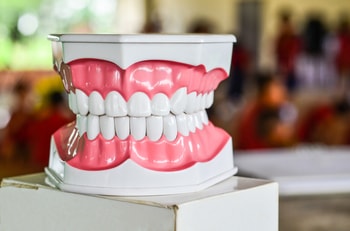
Preventing fluorosis involves managing and monitoring a child’s fluoride intake from various sources. Here are effective strategies to prevent fluorosis:
Supervise Tooth Brushing
Supervising your child’s tooth brushing routine ensures they use the correct amount of fluoride toothpaste and minimizes the risk of swallowing. Aim for a pea-sized amount of toothpaste and teach children to spit out excess paste after brushing.
Choose Fluoride-Free Toothpaste
Using fluoride-free toothpaste can reduce the risk of excessive fluoride ingestion for very young children, especially those under two years old. Consult a pediatric dentist to determine the appropriate toothpaste for your child’s age.
Monitor Fluoride Supplements
Only administer fluoride supplements if prescribed by a healthcare provider. Follow the recommended dosage carefully to avoid fluoride overdose.
Check Fluoride Levels in Water
Be aware of the fluoride concentration in your local drinking water. If your water supply is naturally high in fluoride, discuss with your pediatric dentist whether additional fluoride sources should be limited.
Use Fluoride Mouth Rinses Cautiously
Fluoride mouth rinses can benefit older children but should be used under supervision to prevent swallowing. Follow the guidelines provided by the American Dental Association.
Balancing Fluoride Intake for Optimal Dental Health
Fluoride plays a significant role in preventing tooth decay and promoting healthy teeth. The challenge lies in providing enough fluoride to protect against cavities while avoiding the risk of fluorosis.
Recommended Fluoride Levels
The American Dental Association recommends that children under six years old use toothpaste with a fluoride concentration appropriate for their age, typically around 1000 ppm (parts per million). Adhering to these guidelines is essential to maintaining balance.
Importance of Fluoride for Dental Health
Fluoride strengthens tooth enamel, making it more resistant to acid attacks from plaque bacteria and sugars in the mouth. This protection is crucial in preventing cavities, especially in children’s teeth, which are more susceptible to decay.
Recognizing and Treating Fluorosis
Early detection of fluorosis can lead to more straightforward treatment options. Here’s how to recognize and address the condition.
Signs of Mild Fluorosis
Mild fluorosis is often characterized by white streaks or specks on the teeth. These spots are usually only noticeable by a dental professional and may not require treatment unless they become more pronounced.
Severe Fluorosis
Severe fluorosis presents as brown stains, pitting, and significant surface damage to the teeth. This level of fluorosis can affect the structural integrity of the enamel and may require cosmetic treatments such as teeth whitening, veneers, or bonding.
Consulting a Pediatric Dentist
If you suspect your child has fluorosis, consult a pediatric dentist. They can assess the severity of the condition and recommend appropriate treatment options to enhance your child’s oral health.
Treatment Options
- Teeth Whitening: Effective for mild fluorosis, whitening treatments can reduce the appearance of white spots and discoloration.
- Microabrasion: This technique involves removing a thin layer of enamel to lessen the visibility of fluorosis stains.
- Veneers or Bonding: For more severe cases, these cosmetic procedures can cover up discoloration and improve the overall appearance of the teeth.
The Role of Pediatric Dentists in Managing Fluorosis
Pediatric dentists specialize in children’s dental care, making them invaluable resources in preventing and treating fluorosis. Regular dental check-ups can help monitor fluoride intake and ensure your child’s dental health is on track.
Early Detection and Intervention
Routine visits allow for the early detection of fluorosis, enabling timely intervention to minimize its impact. Pediatric dentists can provide personalized advice on fluoride usage and recommend appropriate dental care products.
Educating Parents and Children
Pediatric dentists play a crucial role in educating parents and children about the correct use of fluoride, the importance of proper brushing techniques, and strategies to maintain healthy teeth without overexposing them to fluoride.
The Balance Between Fluoride Benefits and Risks
While excessive fluoride intake can lead to fluorosis, inadequate fluoride can increase the risk of tooth decay. Striking the right balance is essential for optimal child’s oral health.
Benefits of Fluoride
- Prevents Tooth Decay: Fluoride strengthens enamel and reverses early decay.
- Cost-Effective: Fluoridated water and toothpaste are cost-effective measures to maintain dental health.
- Widely Recommended: Major health organizations, such as the American Dental Association, endorse this for its benefits in preventing cavities.
Risks of Excessive Fluoride
- Fluorosis: As discussed, excessive fluoride can lead to cosmetic and structural issues with teeth.
- Health Concerns: While rare, very high fluoride intake can lead to other health problems, making monitoring and regulating fluoride sources essential.
Practical Tips for Parents

Ensuring your child’s dental health is a top priority, involving more than just regular brushing and dental visits. By implementing practical strategies, you can effectively manage your child’s fluoride intake and prevent early fluorosis in baby teeth. Here are comprehensive tips to help you navigate fluoride use and maintain healthy baby teeth for your little ones.
1. Monitor Fluoride Sources
Managing the amount of fluoride your child consumes is crucial in preventing fluorosis. Baby teeth are developing and are more susceptible to the effects of excessive fluoride. Here’s how to keep track:
- Drinking Water: Check if your local drinking water is fluoridated. The American Dental Association (ADA) recommends an optimal fluoride concentration of 0.7 parts per million (ppm) for preventing tooth decay while minimizing the risk of fluorosis. If your water supply has higher fluoride levels, consider using a water filter or providing bottled water with lower fluoride levels for your child.
- Fluoride Toothpaste: Use a pea-sized amount of fluoride for your child’s baby teeth. Supervise brushing to ensure they do not swallow toothpaste, which can lead to excessive fluoride ingestion. The ADA suggests that children under three years old use toothpaste with a lower fluoride concentration or even fluoride-free toothpaste to reduce the risk of fluorosis.
- Child Fluoride Supplements: Only administer child fluoride supplements if prescribed by your pediatrician or dentist. These supplements are typically necessary when drinking water is not fluoridated. Follow the dosage instructions meticulously to avoid fluoride overdose.
- Dietary Fluoride Supplements: Be cautious with foods and beverages that contain added fluoride. Limit the use of fluoridated beverages and check infant formula labels to ensure they are prepared with the appropriate amount of water to control your child’s consumption of fluoride.
2. Educate and Supervise Tooth Brushing
Proper brushing techniques play a significant role in maintaining your child’s dental health and preventing fluorosis.
- Supervise Brushing: Young children often lack the dexterity to brush their baby teeth effectively. Supervise their brushing to ensure they use the correct amount of toothpaste and do not swallow it. Please encourage them to spit out excess toothpaste after brushing.
- Teach Proper Techniques: Educate your child on the importance of brushing all surfaces of their baby teeth to remove plaque and prevent tooth decay. Use fun songs or timers to make brushing enjoyable, ensuring they brush for at least two minutes each session.
3. Choose the Right Dental Products
Selecting appropriate dental care products is essential in managing fluoride intake and maintaining healthy tooth enamel.
- Fluoride-Free Toothpaste: For children under two years old, consider using fluoride-free toothpaste to minimize fluoride ingestion. As they age, they transition to fluoride-containing toothpaste under professional guidance to balance the benefits of fluoride with the risk of fluorosis.
- Fluoride Mouth Rinses: Fluoride mouth rinses can benefit older children who can rinse and spit effectively. However, use these rinses under the supervision of a dentist and follow the recommended guidelines to prevent developing fluorosis.
4. Regular Dental Check-Ups
Routine visits to a pediatric dentist are vital in monitoring your child’s dental health and preventing fluorosis.
- Early Detection: Regular dental appointments allow for the early detection of mild fluorosis. A dentist can assess the condition of your child’s baby teeth and recommend appropriate measures to manage fluoride intake.
- Personalized Advice: A pediatric dentist can provide tailored advice on using fluoride supplements, toothpaste, and other dental products based on your child’s specific needs and drinking water fluoride levels.
Conclusion
Early fluorosis in baby teeth is a condition that requires careful attention from parents and caregivers. By understanding the causes, recognizing the signs, and implementing preventive measures, you can ensure your child’s teeth develop healthily and beautifully. Balancing fluoride intake is essential—not only to prevent fluorosis but also to harness fluoride’s benefits in warding off tooth decay. Regular visits to a pediatric dentist and vigilant monitoring of fluoride sources will help maintain your child’s dental health and set the foundation for a lifetime of healthy smiles.
Remember, every child is unique, and what works for one may not work for another. Personalized dental care, guided by professional advice, is the best approach to managing fluoride intake and ensuring your child’s teeth remain strong and resilient against decay.
Maintaining your child’s oral health is a journey that involves understanding, vigilance, and proactive care. Educating yourself about conditions like early fluorosis in baby teeth empowers you to make choices that foster healthy, beautiful smiles for your children. Embrace the role of a proactive parent and work closely with Advanced Dental Care dentist in Dubbo to navigate the complexities of fluoride use, ensuring your child enjoys the benefits of strong, decay-resistant teeth without the drawbacks of overexposure.
References
https://www.webmd.com/children/fluorosis-symptoms-causes-treatments
https://my.clevelandclinic.org/health/diseases/23227-fluorosis
https://www.cdc.gov/oral-health/about/about-dental-fluorosis.html


