


If you have sensitive teeth and dream of a whiter smile, you’re not alone. Many people experience tooth sensitivity, especially when using common teeth whitening products. The good news is that there are whitening strips for sensitive teeth designed with gentler formulas and enamel-safe ingredients, offering you the confidence to brighten your teeth without the pain.
In this article, we’ll explore everything you need to know about teeth whitening strips for sensitive teeth, from how they work to the safest options available, including helpful tips to reduce sensitivity and achieve visible whitening results comfortably.
Why Are My Teeth So Sensitive?
Tooth sensitivity often stems from worn enamel, exposed dentin, or recent dental work. When whitening treatments penetrate the tooth’s surface to lift stains, they may also irritate the nerves inside. This is especially true with traditional whitening agents like hydrogen peroxide or carbamide peroxide, which are highly effective but can sometimes be too intense for those with sensitive teeth.
If you’ve tried a whitening product in the past and felt a zing of discomfort, it’s likely due to how the active ingredients interact with your teeth’s nerve endings.
Can You Use Whitening Strips if You Have Sensitive Teeth?
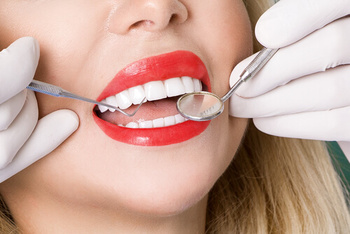
Yes, you can, if you choose the right product. Whitening strips for sensitive teeth are specially formulated to provide a gentler whitening experience. These strips contain lower concentrations of peroxide or alternative whitening agents and often include ingredients that soothe or protect the enamel.
The key is to look for a whitening treatment that balances efficacy with comfort.
What Makes Whitening Strips for Sensitive Teeth Different?
Not all whitening strips are created equal. Those designed for sensitive teeth typically feature:
- Lower peroxide levels: Reduces the likelihood of irritation and sensitivity
- Enamel-safe whitening ingredients: Gentle on tooth structure while still effective
- Added desensitizers: Ingredients like potassium nitrate help block pain signals
- Comfortable no slip grip: Ensures the strip stays in place on top teeth and bottom teeth without extra movement that could cause discomfort
Some brands, like Crest 3DWhitestrips Sensitive, are endorsed by dental professionals and include specialized formulations with gentle whitening agents to deliver noticeable results without causing pain.
Popular Whitening Strips for Sensitive Teeth
Here are some whitening strips and whitening kits that are often recommended for people with sensitivity:
1. Crest 3DWhitestrips Sensitive
This product is specifically made for sensitive teeth. It features lower hydrogen peroxide concentrations and is clinically proven to be enamel-safe. The strips come with a no slip grip that keeps them securely in place throughout the treatment.
2. Lumineux Teeth Whitening Strips
Formulated with essential oils like sage oil and lemon peel oil, and free from peroxide, Lumineux offers a more natural alternative for teeth sensitive to traditional whitening agents. It’s a convenient option for those looking for a holistic approach to teeth whitening.
3. Home Teeth Whitening Kit with LED Light
Some home teeth whitening kits come with an LED light that enhances the effect of low-peroxide gel. These can be a good option if you want dramatic results without excessive peroxide exposure.
4. Crest Whitening Emulsions
A newer product from Crest, this line uses a water-based gel with tiny levels of peroxide to lift stains over time. The gentle formula is designed for daily use and is safe for sensitive teeth.
Key Ingredients That Make a Difference
Understanding the active ingredients in a whitening product is crucial, especially if you experience teeth sensitivity.
Ingredients That Help Whiten Safely
- Hydrogen peroxide: The most common whitening agent, effective, but can cause sensitivity in higher doses
- Carbamide peroxide: Breaks down into hydrogen peroxide at a slower rate, making it gentler
- Coconut oil: Used in some natural products to support oral hygiene and help lift stains
- Essential oils: Like sage oil and lemon peel oil, used for their natural whitening properties
Ingredients That Help Reduce Sensitivity
- Potassium nitrate: Blocks nerve pain signals to relieve discomfort
- Sodium fluoride: Supports enamel protection
- Sodium saccharin: A flavoring agent that doesn’t affect sensitivity but improves taste
Tips to Use Whitening Strips on Sensitive Teeth
Using whitening strips safely and comfortably requires more than just slapping them on. Here are a few tips to reduce sensitivity and ensure optimal results:
1. Follow Instructions Carefully
Don’t leave the strips on longer than instructed. Overuse can cause enamel wear and worsen sensitivity.
2. Choose a Product for Sensitive Teeth
Avoid high-peroxide whitening products and stick with those labeled “sensitive” or “gentle.”
3. Limit Frequency
Start with every other day instead of daily use. This allows your teeth time to recover between treatments.
4. Use a Desensitizing Toothpaste
Switch to Sensodyne Extra Whitening Toothpaste before and after your whitening treatment to help reduce tooth sensitivity.
5. Avoid Hot or Cold Foods After Whitening
Right after a whitening session, your teeth may be more vulnerable. Drink water at room temperature and avoid extreme temperatures in food or drinks.
6. Try a Whitening Pen Instead
If strips still feel too intense, a whitening pen allows you to apply the gel directly to your teeth in a controlled amount.
When Will I See Whitening Results?
Most whitening strips for sensitive teeth show visible difference within a week, with optimal results appearing after 10 to 14 days of consistent use. These whitening treatments gradually brighten teeth and remove stains without causing severe discomfort.
You won’t get overnight dramatic results like in a dentist’s office, but a smoother, pain-free experience makes the slower pace worth it.
How Long Do Results Last?
The longevity of your whitening results depends on your habits. If you smoke, drink coffee or red wine, or skip brushing, the stains may return faster. With good oral hygiene, results can last several months.
To maintain your brighter smile:
- Avoid foods and drinks that stain teeth
- Use an enamel-safe extra whitening toothpaste
- Touch up with whitening strips every few months
Are Whitening Strips Safe?
According to the American Dental Association, whitening products like strips are safe when used as directed. Still, using products with too much peroxide or applying them too often can increase the risk of tooth decay, gum irritation, and enamel damage.
That’s why whitening strips for sensitive teeth are such a good option. They’re designed with lower concentrations and gentler ingredients to lift stains without compromising your oral health.
Should I Talk to a Dentist First?
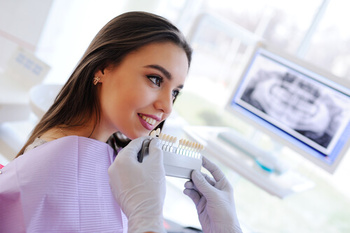
If you have sensitive teeth, it’s a good idea to consult your dentist before starting any whitening treatment. They can check for underlying issues like cavities, gum recession, or tooth decay that may be contributing to sensitivity.
Dentists can also recommend the best whitening kit or even create a custom home teeth whitening kit tailored to your specific needs.
Final Thoughts: A Whiter Smile Without the Wince
Achieving a whiter smile doesn’t have to be a painful journey. With the right whitening strips for sensitive teeth, you can lift stains gently and see a visible difference without causing pain or discomfort. Whether you opt for a peroxide-free product like Lumineux, or go for the reliable power of Crest 3DWhitestrips Sensitive, there’s a whitening solution out there to match your comfort level and goals.
By understanding the active ingredients, using your strips carefully, and maintaining healthy habits, your journey to brighter teeth can be smooth, comfortable, and effective.
References:
https://www.health.com/beauty/best-whitening-products-sensitive-teeth
https://www.forbes.com/sites/forbes-personal-shopper/article/best-whitening-product-for-sensitive-teeth/
https://www.sensodyne.com/en-us/oral-health-tips/whitening-sensitive-teeth/can-you-use-whitening-strips-on-sensitive-teeth/
https://crest.com/en-us/oral-care-tips/teeth-sensitivity/teeth-whitening-sensitivity-causes-how-to-avoid-it/?srsltid=AfmBOopzwSImRvdVjD2PLh7wbTMHRQcFP_sp344pjMDhsLPZziIhOpAC
https://www.colgate.com/en-ph/whitening-hub?gclsrc=aw.ds&gad_source=1&gad_campaignid=21935850160&gclid=CjwKCAjwg7PDBhBxEiwAf1CVu0jlbN2TEvc_PanciilCifAb_WQzLe5Cp0lEkY-AWp3nKGZWUsKrvxoCcEQQAvD_BwE


