


Fluorosis is a condition that affects the appearance of teeth when they are exposed to too much fluoride during early childhood. While fluoride is important for strong teeth and oral health, excessive amounts can disrupt natural enamel formation, leading to discoloration, mottled teeth, and in severe cases, surface irregularities. Dental fluorosis harms patients’ confidence because of visible white spots, brown staining, or an uneven enamel surface. The good news is that modern dentistry offers several treatment options to reduce or eliminate fluorosis stains and restore a natural smile. In this article, we will explore fluorosis, why it occurs, and, most importantly, how to get rid of fluorosis through effective dental treatments.
What Exactly Is Dental Fluorosis?
Dental fluorosis occurs during tooth development in early childhood, typically before the age of 8, when permanent teeth are forming under the gums. When a child consumes much fluoride through drinking water, toothpaste, or supplements, it can affect how enamel develops. The result is tooth enamel that appears chalky, spotted, or discolored.
The severity of fluorosis depends on the amount of fluoride exposure. Mild fluorosis often shows as faint white streaks or spots on the enamel surface, while moderate to severe fluorosis can cause brown stains, pitting, or rough enamel texture. In severe cases, the condition may also be linked with skeletal fluorosis, which affects the bones.
How Does Fluorosis Affect Teeth?
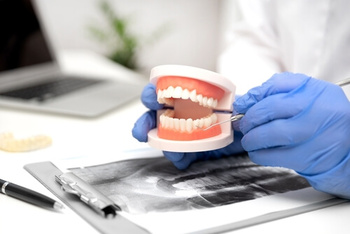
Most fluorosis cases are mild and do not pose a higher risk of cavities. In fact, teeth affected by mild fluorosis are often more resistant to tooth decay because of fluoride. However, the appearance of fluorosis stains on the tooth surface can cause aesthetic concerns.
Conversely, severe fluorosis can weaken the enamel surface, making teeth more prone to cavities and wear. Discolored teeth, surface irregularities, and enamel hypoplasia (thin or poorly formed enamel) can lead to an unhealthy smile, even when teeth are structurally sound.
What Are the Risk Factors for Fluorosis?
Fluorosis occurs due to excessive fluoride intake during early childhood. Common sources include:
- Drinking water with high fluoride content, especially ground water in certain regions.
- Swallowing large amounts of fluoride toothpaste.
- Use fluoride supplements when drinking water that already contains optimal levels.
- Overexposure to fluoride in foods, beverages, or certain dental treatments.
Children are most vulnerable because their permanent teeth still develop under the gums. Once the teeth erupt, no further damage can occur, but the stains and discoloration remain visible throughout life.
Can Fluorosis Go Away on Its Own?
Once permanent teeth are affected by fluorosis, the discoloration does not fade naturally because the enamel has already formed. The condition is permanent, but cosmetic dentistry provides ways to reduce its impact. While surface stains may be lightened, moderate to severe cases require dental fluorosis treatment tailored to the severity.
Treatment Options for Getting Rid of Fluorosis
Professional Teeth Whitening
For patients with mild fluorosis, teeth whitening is often the first step. A bleaching procedure performed by a dentist can lighten discoloration and reduce the contrast between fluorosis stains and the natural enamel. While whitening treatments may not completely eliminate white spots, they improve overall uniformity of tooth color.

Enamel Microabrasion
Enamel microabrasion involves gently removing a thin layer of the outer surface of the enamel. This procedure is effective for treating mild fluorosis and surface stains. Microabrasion creates a more natural appearance by smoothing and polishing the enamel surface. It is often combined with teeth whitening for even better results.
Composite Resin Bonding
For moderate fluorosis cases where discoloration is more noticeable, composite resin can be applied directly onto the affected teeth. This tooth-colored material bonds to the enamel surface and masks visible stains. Composite bonding is a conservative and cost-effective treatment option, but it may require maintenance over time.
Porcelain Veneers
Severe fluorosis often requires porcelain veneers. Veneers are thin shells custom-made to cover the front surface of teeth, concealing discoloration, mottled teeth, and enamel defects. They provide a long-lasting cosmetic dentistry solution and create a uniform smile. Veneers are especially effective when fluorosis affects several teeth and causes deep staining.
Crowns in Severe Cases
In rare severe cases where fluorosis has significantly damaged the enamel surface, dental crowns may be necessary. Crowns cover the entire tooth, restoring both function and appearance. This treatment is considered when the enamel is weak, irregular, or at higher risk for cavities.
The Role of a Dentist in Treating Fluorosis
A dentist evaluates the severity of dental fluorosis and creates a personalized treatment plan. This plan may include a combination of enamel microabrasion, whitening, bonding, or veneers. The goal is to minimize discoloration, protect enamel, and improve the smile’s appearance without unnecessary procedures.
During the consultation, the dentist will also review fluoride levels in the patient’s environment and guide to prevent excessive amounts in children’s teeth.
Can Fluorosis Be Prevented?
Yes, prevention is possible by monitoring how much fluoride children consume. Steps include:
- Checking the fluoride content of drinking water.
- Using only a pea-sized amount of fluoride toothpaste for children.
- Avoiding fluoride supplements unless recommended by a dentist.
- Teaching children not to swallow toothpaste.
- Encouraging a balanced diet with vitamin D and calcium to support natural enamel development.
By managing fluoride levels, parents can reduce the risk of fluorosis while still protecting against tooth decay.
How Does Fluorosis Differ from Other Dental Issues?
Fluorosis can look similar to other problems, but the cause and treatment are different. Here’s how it compares:
Fluorosis
- Caused by too much fluoride during early childhood when permanent teeth are developing.
- Leads to white spots, brown fluorosis stains, or mottled teeth.
- Mostly affects the appearance of the enamel surface.
- Teeth with mild fluorosis are often more resistant to cavities.
- Treatment usually focuses on cosmetic dentistry options such as teeth whitening, enamel microabrasion, composite resin bonding, or porcelain veneers.
Tooth Decay (Cavities)
- Caused by bacteria and sugar producing acids that break down tooth enamel.
- Creates holes, soft spots, and pain in teeth.
- Increases the risk of infection and tooth loss if untreated.
- Treatment requires restorative dental work such as fillings, root canals, or crowns.
Enamel Erosion
- Caused by frequent exposure to acidic drinks, certain foods, or stomach acid.
- Wears away the outer surface of the enamel, leading to sensitivity.
- Can make teeth thin, weak, and more prone to damage.
- Treatment involves protecting the enamel with fluoride treatments, bonding, or crowns.
Enamel Hypoplasia
- Results from enamel not forming properly, often due to nutritional deficiencies, illness, or trauma during tooth development.
- Creates thin enamel, pits, or grooves on teeth.
- Increases the risk of tooth decay and cavities.
- Treatment often requires protective restorations like fillings, bonding, or crowns to strengthen the teeth.
Why the Differences Matter
- Cavities, erosion, and hypoplasia affect the strength and health of teeth.
- Fluorosis mainly affects appearance but rarely weakens enamel in mild cases.
- Treatment for fluorosis is focused on improving how teeth look, while other conditions require structural repair.
When to Seek Dental Treatment for Fluorosis
Most cases of mild fluorosis do not require treatment unless the patient is concerned about tooth discoloration. However, moderate to severe fluorosis can have a negative impact on confidence and may require cosmetic dentistry solutions. Patients should see a dentist if they notice:
- Visible white spots or streaks on permanent teeth.
- Brown or yellow fluorosis stains that affect the appearance.
- Rough or pitted enamel surface.
- Discolored teeth that do not respond to whitening toothpaste.
Early consultation helps determine the best treatment options before the problem worsens.
The Connection Between Fluorosis and Overall Health

Dental fluorosis is primarily a cosmetic condition, but in rare severe cases, it may be associated with skeletal fluorosis due to long-term exposure to high levels of fluoride. While skeletal fluorosis is uncommon in most developed countries, areas with ground water containing excessive fluoride may place both teeth and bones at risk.
Monitoring fluoride intake is not only important for oral health but also for general health. Ensuring safe fluoride levels in drinking water is essential for both children and adults.
Final Thoughts: Restoring Confidence After Fluorosis
Fluorosis can leave lasting marks on teeth, from mild white spots to severe discoloration. While the condition itself is permanent, patients are not without hope. Modern dental fluorosis treatments such as teeth whitening, enamel microabrasion, composite resin, and porcelain veneers can effectively restore a natural smile.
If you are concerned about fluorosis stains or tooth discoloration, consult a dentist to explore treatment options that match your needs. A healthy smile improves appearance and boosts confidence and overall well-being.
References:
https://my.clevelandclinic.org/health/diseases/23227-fluorosis
https://www.webmd.com/children/fluorosis-symptoms-causes-treatments
https://www.colgate.com/en-us/oral-health/developmental-disabilities/how-to-get-rid-of-white-spots-on-teeth
https://www.healthychildren.org/English/healthy-living/oral-health/Pages/Fluorosis-Facts-Information-Parents-Caregivers.aspx
https://pmc.ncbi.nlm.nih.gov/articles/PMC2883808/
https://www.sciencedirect.com/science/article/abs/pii/S0099239906818698
https://www.medicalnewstoday.com/articles/322112


